

A Comprehensive Guide for Pet Owners
Receiving a lymphoma diagnosis for your dog can be overwhelming. Lymphoma is one of the most common cancers seen in dogs, but it is also one of the most treatable. Understanding what lymphoma is, how it is diagnosed, and what treatment options are available can help you make informed decisions about your dog’s care and feel more confident during this difficult time.
| What Is Lymphoma? Lymphoma (also called lymphosarcoma) is a cancer that arises from lymphocytes — a type of white blood cell that is part of the immune system. Because lymphocytes are found throughout the body in lymph nodes, the spleen, bone marrow, blood, and other organs, lymphoma can occur almost anywhere. It is not a single disease but rather a group of related cancers that vary in location, behavior, and outlook. |
Forms of Lymphoma in Dogs
Dogs can develop lymphoma in several different locations in the body, each with its own characteristics.
Multicentric Lymphoma
This is by far the most common form, accounting for roughly 80–85% of all canine lymphoma cases. It affects multiple lymph nodes throughout the body simultaneously — you may notice swollen lumps under the jaw, in front of the shoulders, behind the knees, or in the groin. Affected dogs often appear relatively well early in the disease despite dramatic lymph node enlargement.
Alimentary (Gastrointestinal) Lymphoma
This form targets the gastrointestinal tract, including the stomach, small intestine, large intestine, and sometimes the liver or spleen. Signs center on digestive upset: vomiting, diarrhea, weight loss, and loss of appetite. It is the second most common form and can be more challenging to diagnose and treat.
Mediastinal Lymphoma
Mediastinal lymphoma involves the lymph nodes or thymus located in the chest (mediastinum). The accumulation of a large mass and/or fluid in the chest cavity puts pressure on the lungs and heart, causing breathing difficulties. This form is sometimes associated with a condition called hypercalcemia (elevated blood calcium), which can cause additional symptoms.
Cutaneous (Skin) Lymphoma
This rarer form originates in the skin. It may appear as single or multiple patches, plaques, nodules, or ulcerated sores anywhere on the body, including the mouth. Cutaneous lymphoma can look like many other skin conditions, which can delay diagnosis. It is divided into subtypes (epitheliotropic and non-epitheliotropic) that behave quite differently from one another.
Extranodal Lymphoma
Lymphoma can also arise in virtually any other organ — the eyes, central nervous system, kidneys, nasal passages, or bone marrow. These forms are uncommon but tend to present with signs related to the specific organ involved (e.g., seizures with brain involvement, or nosebleeds with nasal lymphoma).
| B-Cell vs. T-Cell Lymphoma Lymphocytes come in two main types — B cells and T cells — and lymphoma can arise from either. B-cell lymphoma is more common (roughly 60–70% of cases) and generally responds better to treatment. T-cell lymphoma tends to be more aggressive and carries a less favorable prognosis. Your veterinarian can determine which type your dog has through specialized testing, which is important for treatment planning. |
Clinical Signs
The signs of lymphoma vary depending on which form is present, but there are some common patterns to watch for.
Multicentric Lymphoma — Common Signs
- Painless, firm, rubbery swelling of the lymph nodes (under the jaw, in front of the shoulders, behind the knees, or in the groin)
- Lethargy and decreased energy
- Reduced appetite or weight loss
- Increased thirst and urination (especially if hypercalcemia is present)
- Weakness or exercise intolerance
Alimentary Lymphoma — Common Signs
- Chronic or intermittent vomiting
- Diarrhea, which may contain blood
- Progressive weight loss and muscle wasting
- Decreased appetite
- Abdominal discomfort or a palpable mass in the belly
Mediastinal Lymphoma — Common Signs
- Labored or rapid breathing
- Exercise intolerance or sudden collapse
- Regurgitation of food
- Swelling of the face or front limbs (due to reduced blood return)
- Increased thirst and urination if hypercalcemia is present
Cutaneous Lymphoma — Common Signs
- Itchy, flaky, or reddened skin patches
- Raised plaques, nodules, or ulcerated sores
- Lesions inside the mouth, causing drooling or difficulty eating
- Hair loss in affected areas
If your dog has any of these signs — particularly unexplained lumps, weight loss, or breathing changes — it is important to see your veterinarian promptly. Early detection generally improves outcomes.
Diagnosis
Diagnosing lymphoma typically involves a combination of physical examination, laboratory testing, and tissue sampling. Your veterinarian may perform several of the following:
Physical Examination
A thorough physical exam is the starting point. Your vet will check all accessible lymph nodes for swelling and assess the abdomen for organ enlargement or masses.
Fine Needle Aspirate (FNA)
This quick, minimally invasive procedure involves inserting a small needle into an enlarged lymph node or mass to collect cells for examination under a microscope (cytology). It is often the first step toward a diagnosis and can frequently confirm lymphoma without requiring surgery.
Biopsy
A tissue biopsy — removing a small piece of a lymph node or mass — provides more detailed information than an FNA alone. It allows pathologists to classify the specific type of lymphoma and identify whether it is high-grade or low-grade (indolent), which significantly affects treatment choices and prognosis.
Immunophenotyping
This specialized test determines whether the lymphoma is B-cell or T-cell in origin. It can be performed on FNA samples or biopsy tissue and is an important part of treatment planning, since B-cell and T-cell lymphomas respond differently to chemotherapy.
Blood and Urine Tests
A complete blood count (CBC), biochemistry panel, and urinalysis help assess your dog’s overall health, identify abnormalities such as elevated calcium or anemia, and establish baseline values before starting treatment.
Imaging
Chest X-rays and abdominal ultrasound are used to evaluate the extent of disease — known as staging — and to look for involvement of internal organs. Staging helps your veterinarian tailor the treatment plan and give you a realistic expectation of outcomes.
| Understanding Cancer Staging Lymphoma in dogs is staged from I to V based on how widespread the disease is. Stage I is the most localized (a single lymph node), while Stage V indicates involvement of the blood or bone marrow. Higher stages are associated with a more guarded prognosis, though many dogs in advanced stages still respond well to treatment. |
Treatment Options
The goal of treatment is to achieve remission — a state in which the cancer is no longer detectable — and to maintain a good quality of life for as long as possible. There is no one-size-fits-all approach; the best option depends on the type and stage of lymphoma, your dog’s overall health, and your own circumstances.
Combination Chemotherapy (CHOP Protocol)
For multicentric B-cell lymphoma, the CHOP protocol is considered the gold standard. CHOP stands for the four drugs used: cyclophosphamide, doxorubicin, vincristine, and prednisone. Treatments are given over approximately 19–25 weeks, with visits typically weekly at first and then spread out. This protocol achieves remission in roughly 80–90% of eligible dogs, with a median survival time of 12–14 months. Approximately 20–25% of dogs live two years or longer.
Single-Agent Chemotherapy
For owners who prefer a simpler schedule or whose dogs cannot tolerate the full CHOP protocol, single-agent options such as doxorubicin alone, chlorambucil, or lomustine (CCNU) may be considered. These tend to produce shorter remission times but can still provide meaningful quality time.
Prednisone (Steroid) Alone
Prednisone, a corticosteroid, can temporarily shrink lymph nodes and improve a dog’s well-being without the rigors of chemotherapy. It is not a curative option — median survival on prednisone alone is typically one to two months — but it may be the most appropriate choice when chemotherapy is not possible. One important caveat: prior treatment with prednisone can reduce the subsequent response to chemotherapy, so this decision should be discussed carefully with your vet.
Targeted Therapies
Newer targeted drugs, such as rabacfosadine (Tanovea) for certain T-cell lymphomas, offer additional options, particularly for cases that do not respond to or have relapsed after CHOP. Your oncologist can advise whether targeted agents are appropriate for your dog’s specific diagnosis.
Radiation Therapy
Radiation is not a primary treatment for systemic lymphoma but may be used for localized forms — such as cutaneous or nasal lymphoma — or as palliative therapy to reduce a mass causing pain or obstruction.
Tolerability of Chemotherapy in Dogs
Many owners are understandably concerned about chemotherapy side effects. Dogs generally tolerate chemotherapy much better than humans, because the doses used are calculated to maximize quality of life rather than to cure. Roughly 75–80% of dogs experience few or no significant side effects. When side effects do occur — such as mild nausea, reduced appetite, or a temporary dip in white blood cell counts — they are usually manageable with supportive medications and resolve quickly.
| Quality of Life Is the Priority Veterinary oncologists are committed to keeping your dog comfortable and happy during treatment. If your dog is not feeling well on a particular protocol, doses can be adjusted or drugs can be substituted. Open communication with your veterinary team is essential — always let them know if you notice any changes in your dog’s appetite, energy, or behavior. |
Prognosis
Prognosis varies widely depending on the form of lymphoma, the cell type (B-cell vs. T-cell), the stage of disease, and the treatment chosen. The table below summarizes general expectations:
| Form of Lymphoma | Treatment | Median Survival |
| Multicentric (high-grade) | CHOP chemotherapy | 12–14 months |
| Multicentric (high-grade) | Single-agent prednisone only | 1–2 months |
| Alimentary | Chemotherapy (variable) | 2–12 months |
| Mediastinal | Chemotherapy | Months to > 1 year |
| Cutaneous | Varies by subtype | Months to years |
| Indolent/low-grade | Chemotherapy or watchful waiting | 1–3+ years |
Several factors are associated with a better prognosis:
- B-cell rather than T-cell immunophenotype
- High-grade lymphoma that is chemotherapy-naive (never previously treated)
- Good overall health and normal calcium levels at diagnosis
- Achieving a complete remission (all detectable cancer disappears) rather than a partial remission
It is also important to understand the concept of rescue chemotherapy. If lymphoma relapses after an initial remission, additional protocols can sometimes induce a second remission. These tend to be shorter and less durable, but they can add quality time for many dogs.
| Choosing the Right Path for Your Family There is no wrong decision when it comes to treating your dog’s lymphoma. Some families choose aggressive treatment with the goal of maximum survival time; others prioritize minimizing veterinary visits and keeping daily life as normal as possible. Both are valid, loving choices. Palliative care focused on comfort and quality of life is always an option and can be deeply meaningful. Discuss your goals honestly with your veterinary team so they can recommend the approach that is right for you and your dog. |
Working With Your Veterinary Team
Lymphoma is typically managed by a team that may include your primary care veterinarian and a board-certified veterinary oncologist. Oncologists have specialized training in cancer diagnosis and treatment and can offer access to the most current protocols and clinical trials.
Questions worth asking at your first oncology appointment:
- What type and stage of lymphoma does my dog have?
- Is this B-cell or T-cell lymphoma, and how does that affect the prognosis?
- What treatment options do you recommend, and why?
- What is the expected response rate and survival time with each option?
- How often will my dog need to come in for treatment?
- What side effects should I watch for at home?
- Are there any clinical trials my dog might be eligible for?
- What signs would indicate that my dog is no longer comfortable with treatment?
A lymphoma diagnosis is life-changing, but you do not have to face it alone. With the right support, many dogs with lymphoma continue to enjoy a high quality of life — going for walks, playing, eating well, and spending precious time with their families. Your veterinary team is your partner throughout this journey.
This document is intended for informational purposes only and does not replace professional veterinary advice, diagnosis, or treatment. Always consult a licensed veterinarian or board-certified veterinary oncologist regarding your dog’s specific condition.
© www.vetcareinfo.com, an education resourse — always consult your veterinarian
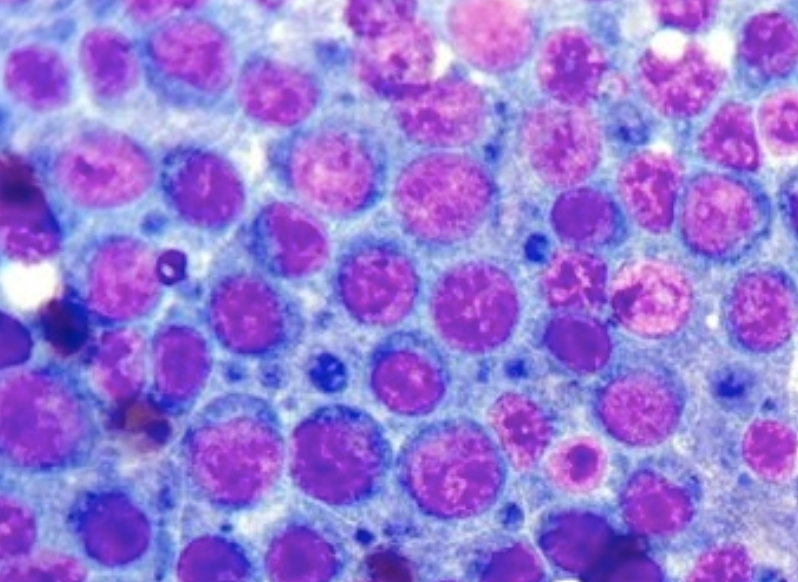
Abnormal lymphocytes from a needle aspirate of a dog with lymphoma